Mughal History Objective Questions
INDIAN HISTORY MULTIPLE CHOICE QUESTIONS ON MUGHALS
Mughal Empire - History of India MCQ QUIZ
1. Why was Bairam Khan not popular with other Mughal nobles.?
(A) He was a Persian
(B) He was a Shia and they were Sunnis
(C) He was a Turqs
(D) None of these
Ans. (B)
2. The range of the mansabs as organized by Akbar was —
(A) 100 to 5000
(B) 10 to 5000
(C) l0 to 10000
(D) l0 to 6000
Ans. (C)
3. Which of the following is incorrect?
(A) As a result of Akbar’s treatment of the Rajputas they contributed richly to the military achievement of his reign
(B) As a result of Akbar’s treatment of Rajputas they contributed to the administrative achievement of his reign
(C) As a result of Akbar’s treatment of the Rajputas, the orthodox Muslim Ulema shed their religious dogmation and began to love the Hindus
(D) As a result of Akbar’s treatment of the Rajputas, the Ranapratap could not mobilise the support of the Rajputas against the Mughals
Ans. (C)
4. Who was “ Chin Qilich Khan”?
(A) He was a general of Babur
(B) He was a provincial governor under Aurangazeb
(C) He was the first independent Nawab of Bengal
(D) He was the governor of Mughal Deccan Area
Ans. (D)
5. Which of the following about the duties of the Dewan in the time of Akbar is correct?
(A) He posted news-writers and spices in different provinces.
(B) He recommended the appointment of provincial dewans and guided and controlled them
(C) All orders of appointment to Mansabs of all ranks passed through his office
(D) He gave authoritative ruling ion conflicting interpretations of Shara
Ans. (B)
6. Din-a-Ilahi was introduced by Akbar in—
(A) 1575A.D.
(B) 1579A.D.
(C) 1582A.D.
(D) 1585AD.
Ans. (C)
7. Who said “Those men who have strong dislike for paintings, I have strong dislike for
them”?
(A) Akbar
(B) Babar
(C) Jahangir
(D) Shah Jahan
Ans. (C)
8. The Humayun tomb got constructed by—
(A) Humayun
(B) Akbar
(C) His widow
(D) None of these
Ans. (C)
9. Who was the Mughal Emperor at the time of Nadir Shah’s attack?
(A) Rafi-ud-darjat
(B) Muhammad Shah
(C) Ahmad Shah
(D) Alamgir II
Ans. (B)
10. Who built Jama Masjid at Delhi?
(A) Akbar
(B) Shah Jahan
(C) Nur Jahan
(D) Aurangzeb
Ans. (B)
11. What according to Jadunath Sarkar was the reason of the downfall of Aurangzeb?
(A) Religious policy
(B) Military helpness
(C) Rajput policy
(D) Shivaji
Ans. (B)
12. Who was famous for laying many gardens?
(A) Babur
(B) Humayun
(C) Akbar
(D) Jahangir
Ans. (D)
13. Akbar discontinued the debates in the Ibadat Khana in—
(A) 1580
(B) 1582
(C) 1581
(D) 1583
Ans. (B)
14. ‘Fatwa-i-Alamgiri’ is a book on—
(A) Digest of Muslim Law under Aurangzeb’s supervision
(B) Religious decrees of Aurangzeb
(C) Aurangzeb‘s autobiography
(D) Law decrees of Aurangzeb
Ans. (A)
15. Which Mughal ruler hated people who hated paintings?
(A) Jahangir
(B) Shah Jahan
(C) Aurangzeb
(D) Akbar
Ans. (A)
16. Who among the following was the author of Tuzuk-i-Jahangiri?
(A) Emperor Jahangir
(B) Muhammad Hadi
(C) Muhamid Khan
(D) None of these
Ans. (A)
17. Who introduced the Rank of ‘Zat and Sawar’?
(A) Akbar
(B) Aurangzeb
(C) Shah Jahan
(D) Jahangir
Ans. (A)
18. Dahsala system was introduced by—
(A) Akbar
(B) Jahangir
(C) Farrukhsiyar
(D) Shah Jahan
Ans. (A)
19. Which were the two kingdoms conquerred by Akbar?
(A) Khandesh and Bijapur
(B) Bijapur and Ahmednagar
(C) Ahmednagar
(D) Berar and Ahmednagar
Ans. (C)
20. The land revenue in Mughal India was a—
(A) Tax on land
(B) Share in the produce
(C) Tax on cultivator
(D) Tax on the owner of the land
Ans. (B)
Wednesday, May 11, 2011

Monday, May 9, 2011
Indian history mcq test
Indian history mcq test
MCQ on Indian History for Exams
Free Online test Indian History India
1. Alexander’s invasion of India was occurred
(A) 325 B.C.
(B) 320 B.C.
(C) 315 B.C.
(D) 324 B.C.
Ans. (A)
2. The head of the Provincial administration during the reign of Harsha was called?
(A) Uparika
(B) Bhagpati
(C) Ayukta
(D) Pratipalak
Ans. (A)
3. The Lingayats are worshippers of—
(A) Ganesh
(B) Shiva
(C) Vishnu
(D) Sun-God
Ans. (B)
4. A Sangam was—
(A) A book
(B) A king
(C) A caste
(D) A society of learned men
Ans. (D)
5. The shape of stupa was always —
(A) Square
(B) Rectangular
(C) Semi circular
(D) None of these
Ans. (C)
6. The Vakatak rulers—
(A) Rose to prominance after the decline of Guptas
(B) Were contemporaries of the Guptas
(C) Raised the empire on the ruins of the Gupta empire
(D) None of these
Ans. (B)
7. Kanishka followed—
(A) Bhagvatism
(B) Hinyan Buddhism
(C) Mahayan Buddhism
(D) Shivism
Ans. (C)
8. Who was the physician in the court of Kanishka?
(A) Ashvaghosha
(B) Jivalk
(C) Charak
(D) Sushrut
Ans. (C)
9. Which social evil was absent in ancient India?
(A) Sati system
(B) Devdasi system
(C) Polygamy
(D) Parda system
Ans. (D)
10. Hiuen-Tsang returned to China via—
(A) The sea route
(B) The land-route through the North-west
(C) The land-route through the North-south
(D) None of these
Ans. (B)
11. The novel feature of the Mathura school of art was—
(A) Ideal physical Beauty
(B) Heavy clothing
(C) Halo around the face
(D) Beauty of eyes
Ans. (C)
12. Saka era commenced from—
(A) 78A.D.
(B) 120 AD.
(C) 1000A.D.
(D) 953A.D.
Ans. (A)
13. Marriage between man & woman of some caste in ancient India was known as
(A) Pratiloma
(B) Anuloma
(C) Gandharva
(D) Niyoga
Ans. (B)
14. Sangam age refers to—
(A) Chola, Pandya & Chalukyas
(B) Pahallavas, Cheras & Pandyas
(C) Cholas, Cheras & Pandyas
(D) Chola, Pahallavas & Chalukyas
Ans. (C)
15. ‘Suvamanivi’ in ancient India was—
(A) Military organisation
(B) Business organisation
(C) Revenue organisation
(D) Prison organisation
Ans. (B)
16. The difference between Mahayan & Hinyan was —
(A) Mahayan Buddhist worshipped images of Buddha
(B) They created in-numerable buddhisatavas
(C) Mahayan Buddhist worshipped symbols
(D) All of the above
Ans. (D)
17. Kalidas in his works shows a leaning towards worship of—
(A) Shiva
(B) Vishnu
(C) Durga
(D) Brahma
Ans. (C)
18. Sangam works were written in the period
(A) 100 B.C. to 300 A.D.
(B) 400 A.D.to 500 A.D.
(C) 600 A.D.to 700 A.D.
(D) Before 300 B.C.
Ans. (A)
19. Jain works were compiled in—
(A) Ujjain
(B) Vaishali
(C) Ballabhi
(D) Vatapi
Ans. (C)
20. Which among the following was not a cause of the decline of Jainism?
(A) A lack of religious preachers
(B) Absence of royal patronage
(C) Division of Jainism in two strong sects
(D) Because of the invaders
Ans. (D)
MCQ on Indian History for Exams
Free Online test Indian History India
1. Alexander’s invasion of India was occurred
(A) 325 B.C.
(B) 320 B.C.
(C) 315 B.C.
(D) 324 B.C.
Ans. (A)
2. The head of the Provincial administration during the reign of Harsha was called?
(A) Uparika
(B) Bhagpati
(C) Ayukta
(D) Pratipalak
Ans. (A)
3. The Lingayats are worshippers of—
(A) Ganesh
(B) Shiva
(C) Vishnu
(D) Sun-God
Ans. (B)
4. A Sangam was—
(A) A book
(B) A king
(C) A caste
(D) A society of learned men
Ans. (D)
5. The shape of stupa was always —
(A) Square
(B) Rectangular
(C) Semi circular
(D) None of these
Ans. (C)
6. The Vakatak rulers—
(A) Rose to prominance after the decline of Guptas
(B) Were contemporaries of the Guptas
(C) Raised the empire on the ruins of the Gupta empire
(D) None of these
Ans. (B)
7. Kanishka followed—
(A) Bhagvatism
(B) Hinyan Buddhism
(C) Mahayan Buddhism
(D) Shivism
Ans. (C)
8. Who was the physician in the court of Kanishka?
(A) Ashvaghosha
(B) Jivalk
(C) Charak
(D) Sushrut
Ans. (C)
9. Which social evil was absent in ancient India?
(A) Sati system
(B) Devdasi system
(C) Polygamy
(D) Parda system
Ans. (D)
10. Hiuen-Tsang returned to China via—
(A) The sea route
(B) The land-route through the North-west
(C) The land-route through the North-south
(D) None of these
Ans. (B)
11. The novel feature of the Mathura school of art was—
(A) Ideal physical Beauty
(B) Heavy clothing
(C) Halo around the face
(D) Beauty of eyes
Ans. (C)
12. Saka era commenced from—
(A) 78A.D.
(B) 120 AD.
(C) 1000A.D.
(D) 953A.D.
Ans. (A)
13. Marriage between man & woman of some caste in ancient India was known as
(A) Pratiloma
(B) Anuloma
(C) Gandharva
(D) Niyoga
Ans. (B)
14. Sangam age refers to—
(A) Chola, Pandya & Chalukyas
(B) Pahallavas, Cheras & Pandyas
(C) Cholas, Cheras & Pandyas
(D) Chola, Pahallavas & Chalukyas
Ans. (C)
15. ‘Suvamanivi’ in ancient India was—
(A) Military organisation
(B) Business organisation
(C) Revenue organisation
(D) Prison organisation
Ans. (B)
16. The difference between Mahayan & Hinyan was —
(A) Mahayan Buddhist worshipped images of Buddha
(B) They created in-numerable buddhisatavas
(C) Mahayan Buddhist worshipped symbols
(D) All of the above
Ans. (D)
17. Kalidas in his works shows a leaning towards worship of—
(A) Shiva
(B) Vishnu
(C) Durga
(D) Brahma
Ans. (C)
18. Sangam works were written in the period
(A) 100 B.C. to 300 A.D.
(B) 400 A.D.to 500 A.D.
(C) 600 A.D.to 700 A.D.
(D) Before 300 B.C.
Ans. (A)
19. Jain works were compiled in—
(A) Ujjain
(B) Vaishali
(C) Ballabhi
(D) Vatapi
Ans. (C)
20. Which among the following was not a cause of the decline of Jainism?
(A) A lack of religious preachers
(B) Absence of royal patronage
(C) Division of Jainism in two strong sects
(D) Because of the invaders
Ans. (D)
Wednesday, May 4, 2011
history mcq Quiz
history mcq Quiz
Multiple Choice Quiz Questions and Answers on History
Multiple choice history quiz
MCQ Quiz: Indian History Question for IAS Exams
1. Megasthenes was succeeded as ambassador to the Mauryan court by—
(A) Hegesander
(B) Deinrachos
(C) AtheDaeus
(D) Nearchus
Ans. (B)
2. Sramana is paired in early sources with—
(A) Ajivika
(B) Saugata
(C) Brahmana
(D) Nirgrantha
Ans. (C)
3. The Planning of the capital in the Arthashastra clearly indicates that the Industrial and Commercial classes were—
(A) Not given any consideration
(B) Provided specific qiirters4i the township
(C) Alloted space outside the township
(D) Alloted space inside and outside the township
Ans. (B)
4. Which of the following is are true regarding Buddhism?
1. It did not reject varna and jati
2. It challenged highest social ranking of Brahmana varna
3. It regarded certain crafts as low
Choose the correct answer from the codes given below:
(A) l and 2
(B) 2 and 3
(C) 1, 2 and 3
(D) None of these
Ans. (A)
5. Which one of the following is a commentary on the Digha Nikaya?
(A) Dipavamsa
(B) Lalitavistara
(C) Netti Prakarana
(D) Sumangala Vilasini
Ans. (B)
6. The term Nirgrantha is associated with—
(A) Ajivika
(B) Charvakas
(C) Jams
(D) Pasupatas
Ans. (C)
7. The original canon of the Jainas is believed to have consisted of—
(A) 6 angas
(B) 8 angas
(C) 10 angas
(D) 12 angas
Ans. (D)
8. Which one of the following kingdoms was known for wealthy merchants professing Jainism and building Jaina temples?
(A) The Gurjara-Pratihara
(B) The Chalukya
(C) The Gahadavala
(D) The Kakatiya
Ans. (B)
9. The Besnagar inscription of Helidorus refers to—
(A) Samkarshana and Vasudeva
(B) Samkarshana, Pradyumna and Vasudeva
(C) Vasudeva only
(D) All the Panchaviras
Ans. (C)
10. Given below are some famous Buddhist sites. Which one of them shows the correct chronological sequence in which they came into prominence?
(A) Nalanda, Nagarjunakonda, Amaravati, Sanchi
(B) Sanchi, Amaravati, Nagarjunakonda, Nalanda
(C) Sanchi, Nagarjunakonda, Amaravati, Nalanda
(D) Nagarjunakonda, Sanchi, Amaravati, Nalanda
Ans. (B)
11. Jivaka, mentioned in the early Buddhist literature was a—
(A) Bodhisatva
(B) King
(C) Merchant
(D) Physician
Ans. (D)
12. Religion wise the sculptures found at Kankali Tila in Mathura are-
(A) Buddhist
(B) Jaina
(C) Shakta
(D) Vaishnava
Ans. (B)
13. Which of the following terms are used to denote Jaina texts?
1. Nirgrantha
2. Purvas
3. Angas
4. Upangas
Select the correct answer from the codes given below:
(A) 1, 2 and 3
(B) 2, 3 and4
(C) 1 only
(D) 2 and 4 only
Ans. (B)
14. Which one of the following philosophies is associated with Jainism?
(A) Syadvada
(B) Yogacara
(C) Madhyamika
(D) Sunyavada
Ans. (A)
15. Hiuen Tsang found Jainism flourishing in—
(A) Orissa
(B) Kashmir
(C) Bengal
(D) Bihar
Ans. (C)
16. Consider the map showing some sites of the early Indus period:

The places marked 1, 2, 3 and 4 are respectively
(A) Mehrgarh, Kotdiji, Surkotada and Kalibangan
(B) Mehrgarh, Kalibangan, Kotdiji and Surkotda
(C) Rana Ghundai, Banavali, Surkotda and Kotdiji
(D) Rahman Dheri, Banavali, Kulli and Tharro
Ans. (B)
17. The terracotta replica of a plough has been found at—
(A) Banavali
(B) Kalibangan
(C) Rakhigarhi
(D) Rangpur
Ans. (A)
18. Consider the map given below:
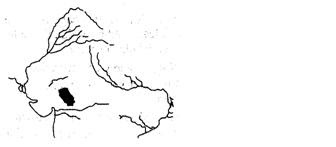
Which one of the following cultures flourished in the area shaded in the map?
(A) Banas culture
(B) Painted Greyware culture
(C) Malwa culture
(D) Jorwe culture
Ans. (C)
19. “When the attained kingship, he was quite independent of the rules and orders of the Shariat. Ziauddin Barani made the above statement regarding —
(A) Iltutmish
(B) Alauddin Khalji
(C) Mubarak Khalji
(D) Muhammad Tughluq
Ans. (B)
20. Which one of the following pairs is correctly matched?
(A) Krishnadevaraya: Mancharita
(B) Bukka-I: Vaidikamanggapra vartaka
(C) Aliasanipeddanna: Amuktamalyada
(D) Gangadevi: Amarsataka
Ans. (B)
21. Abdur Razzaq, who left a detailed account of the Vijayanagar Empire in Persian, came to the Vijayanagar Court as the envoy of Mirza Shah Rukh during the reign of—
(A) Harihara-Il
(B) Bukka-II
(C) Deva Raya-II
(D) Krishnadeva Raya
Ans. (C)
22. What was the nature of the Nagaram settlements in South India?
(A) Villages inhabited by peasant castes
(B) Villages settled and dominated by combinations of traders and merchants
(C) Vi11ages granted to the Brahmans
(D) Villages having the local administrative units
Ans. (B)
23. The territorial revenue assignment in the Delhi Sultanate was known as—
(A) Tuyul
(B) Milk
(C) Iqta
(D) Jagir
Ans. (C)
24. Sultan Alauddin Khalji claimed land revenue on—
(A) One-fourth of the people
(B) Two-thirds of the people
(C) One-half of the produce
(D) Two-fifths of the produce
Ans. (C)
25. The first Mughal building with complete marble facing was—
(A) Humayun’s tomb
(B) Itmad-ud-daulah’s tomb
(C) Taj Mahal
(D) Moti Masjid at the Red Fort, Delhi
Ans. (A)
26. Who among the following is credited with the authorship of Majmu-al-Bahrain?
(A) Akbar
(B) Dara Shikoh
(C) Jahangir
(D) Humayun
Ans. (B)
27. Which one of the following is not true regarding the Rig Vedic God Indra?
(A) He was fond of feasting and drinking Soma juice
(B) He was the destroyer of Puras
(C) The largest number of hymns are addressed to him
(D) He was the upholder of the cosmic order
Ans. (D)
28. What is the correct chronological sequence the following—
1. Geography of Ptolemy
2. Ctesias account of India’
3. Christian Topography of Cosmas Indicapllustes
4. Pliny’s Natural History
Select the correct answer using ‘the codes given below:
Codes:
(A) 4, 2, 3 and 1
(B) 2, 4, 1 and3
(C) 2, 4 3 and l
(D) 4, 2, l and3
Ans. (B)
29. Akbar’s building at Fatehpur Sikri is famous for—
(A) Synthesis of trabcate and arcuate styles
(B) Construction of the first bulbous dome in India
(C) The use of marble on an extensive scale
(D) Frequent employment of pietra dura
Ans. (A)
30. Which one of the following is NOT true of the Rajputs?
(A) Their rise was an important social phenomenon of the early medieval period
(B) They comprised the ruling8nd warrior chiefs
(C) They were a landed aristocracy
(D) The Medas were divided entry to their ranks
Ans. (D)
31. Which one of the following rulers granted land to high officials for their maintenance?
(A) Bimbisara
(B) Chandragupta Maurya
(C) Ashoka
(D) Mahipala
Ans. (D)
32. Who among the following had written a treatise on fanciful technological devices?
(A) Bhoja
(B) Govindaraja
(C) Chandravarman
(D) Mahipala
Ans. (C)
33. The Trades Disputes Act of 1929 provided for—
(A) A system of tribunals and a ban on strikes
(B) The participation of workers in the managements of disputes
(C) Arbitrary powers to the management to quell industrial disputes
(D) An intervention by the British Court, in the event of a dispute
Ans. (A)
34. The one major result of the process of depeasantisation was—
(A) A spurt in industrial growth
(B) An erosion in the value of land as a commodity
(C) A growth of landless agricultural labour
(D) The introduction of institutional financing by the governments
Ans. (C)
35. Match List-I with List-II and select the correct answer by using the codes given below the lists
List-I List-II
(Resolutions of the Indian National Congress (Session and Dates’ of adoption)
and the All Parties Conference)
(a) Attainment of Swaraj by all peaceful and 1. Adopted at Lucknow Session in 1899 legitimate means
(b) Promotion by constitutional means for the 2. Adopted at the Special Session in Calcutta, September 1920 interest and well-being
of the people of the
Indian Empire
(c) Attainment of Dominion Status 3. Adopted in the Madras Session, 1927
(d) Complete national independence 4. Adopted by the all. Parties Convention,
1928
Codes:
(a) (b) (c) (d)
(A) 4 3 2 1
(B) 3 4 1 2
(C) 2 1 4 3
(D) 1 2 3 4
Ans. (C)
36. Which one of the following kingdoms was not in the alliance that crushed the Vijayanagar Empire at the Battle of Talikota (1565)?
(A) Berar
(B) Ahmadnagar
(C) Bijapur
(D) Golconda
Ans. (A)
37. The main trading port of the Vijayanagar Empire on the western coast was —
(A) Bhatkal
(B) Ca1icut
(C) Cannanore
(D) Goa
Ans. (B)
38. To which one of the following Sufi silsilas did Shaikh Bahauddin Zakaria belong?
(A) Qadriya
(B) Naqshbandi
(C) Suhrawardi
(D) Chisti
Ans. (C)
39. Match List-I with List-II and select the correct answer by using the codes given below the lists
List-I List-II
(a) Siyasatnama 1. Nizam-ul-Mulk Tusi
(b) Khazain-ul-Futuh 2. Hamid Qalandar
(c) Khair-ul-Majalis 3. Amir Khusrau
(d) Tarikh-i-Mubarak Shahi 4. Yahiya Sirhindi
Codes:
(a) (b) (c) (d)
(A) 1 3 2 4
(B) 2 3 1 4
(C) 1 4 3 2
(D) 4 1 2 3
Ans. (A)
40. The total number of Mughal subas in 1605 was —
(A) 12
(B) 15
(C) 17
(D) 19
Ans. (B)
41. Which one of the following Mughal officers was not associated with religious affairs?
(A) Sadr
(B) Mafti
(C) Muhtasib
(D) Mustaufi
Ans. (D)
42. Who among the following are the Hinasippas mentioned in the Jatakas?
1. Wood workers
2. Butchers
3. Hunters and trappers
4. Ivory workers
Select the, correct answer from the codes given below:
(A) 1 and2
(B) 1 and3
(C) 2 and3
(D) 3 and4
Ans. (C)
43. Among the four dynasties listed below which ones minted coins made of lead?
1. Mauryas
2. Satavahanas
3. Western Kshatrapas
4. Guptas
Ans. (C)
44. Paloura, mentioned as a port in the early sources was located on the coast of—
(A) Kerala
(B) Vanga
(C) Kalinga
(D) Andhra
Ans. (D)
45. According to the Periplus sea voyages to India were undertaken in the month of Epiphi or—
(A) October
(B) July
(C) June
(D) December
Ans. (D)
46. Which of the following were used for drawing water for irrigation during the post-Gupta period?
1. Araghatta
2. Vapi
3. Tadaga
4. Pranali
Select the correct answer from the codes given below:
(A) 1,2an3
(B) 1 and
(C) 2 and4
(D) 1, 2,3and4
Ans. (D)
47. Coconut cultivation in India was known from the period of the—
(A) Mauryas
(B) Satavahanas and Kshatrapas
(C) Guptas
(D) Pallavas and Western Gangas
Ans. (D)
48. Which one of the following was ‘the reason for the great rebellion in Doab against Muhammad Tughluq?
(A) Transfer of capital from Delhi
(B) Issue of taken currency
(C) Increase in rural taxation
(D) Enslavement of rural population
Ans. (C)
49. Yahiya Sirhindi the author of Tarikh-i-Mubarak Shahi, lived during the period of—
(A) Lodis
(B) Sayaids
(C) Tughluq
(D) Khaljis
Ans. (B)
50. Match List-I with List-II and select the correct answer by using the codes given below the lists;
List-I List-II
(a) Silver tanka 1. Alauddin Khalji
(b) Dewan-i-Kohi 2. Feroze Tughluq
(c) War-ul-Shafa 3. Iltutmish
(d) Shahan-i-Mandi 4. Muhammad Tughluq
Codes:
(a) (b) (c) (d)
(A) 4 3 2 1
(B) 3 4 1 2
(C) 3 4 2 1
(D) 4 3 1 2
Ans. (C)
Multiple Choice Quiz Questions and Answers on History
Multiple choice history quiz
MCQ Quiz: Indian History Question for IAS Exams
1. Megasthenes was succeeded as ambassador to the Mauryan court by—
(A) Hegesander
(B) Deinrachos
(C) AtheDaeus
(D) Nearchus
Ans. (B)
2. Sramana is paired in early sources with—
(A) Ajivika
(B) Saugata
(C) Brahmana
(D) Nirgrantha
Ans. (C)
3. The Planning of the capital in the Arthashastra clearly indicates that the Industrial and Commercial classes were—
(A) Not given any consideration
(B) Provided specific qiirters4i the township
(C) Alloted space outside the township
(D) Alloted space inside and outside the township
Ans. (B)
4. Which of the following is are true regarding Buddhism?
1. It did not reject varna and jati
2. It challenged highest social ranking of Brahmana varna
3. It regarded certain crafts as low
Choose the correct answer from the codes given below:
(A) l and 2
(B) 2 and 3
(C) 1, 2 and 3
(D) None of these
Ans. (A)
5. Which one of the following is a commentary on the Digha Nikaya?
(A) Dipavamsa
(B) Lalitavistara
(C) Netti Prakarana
(D) Sumangala Vilasini
Ans. (B)
6. The term Nirgrantha is associated with—
(A) Ajivika
(B) Charvakas
(C) Jams
(D) Pasupatas
Ans. (C)
7. The original canon of the Jainas is believed to have consisted of—
(A) 6 angas
(B) 8 angas
(C) 10 angas
(D) 12 angas
Ans. (D)
8. Which one of the following kingdoms was known for wealthy merchants professing Jainism and building Jaina temples?
(A) The Gurjara-Pratihara
(B) The Chalukya
(C) The Gahadavala
(D) The Kakatiya
Ans. (B)
9. The Besnagar inscription of Helidorus refers to—
(A) Samkarshana and Vasudeva
(B) Samkarshana, Pradyumna and Vasudeva
(C) Vasudeva only
(D) All the Panchaviras
Ans. (C)
10. Given below are some famous Buddhist sites. Which one of them shows the correct chronological sequence in which they came into prominence?
(A) Nalanda, Nagarjunakonda, Amaravati, Sanchi
(B) Sanchi, Amaravati, Nagarjunakonda, Nalanda
(C) Sanchi, Nagarjunakonda, Amaravati, Nalanda
(D) Nagarjunakonda, Sanchi, Amaravati, Nalanda
Ans. (B)
11. Jivaka, mentioned in the early Buddhist literature was a—
(A) Bodhisatva
(B) King
(C) Merchant
(D) Physician
Ans. (D)
12. Religion wise the sculptures found at Kankali Tila in Mathura are-
(A) Buddhist
(B) Jaina
(C) Shakta
(D) Vaishnava
Ans. (B)
13. Which of the following terms are used to denote Jaina texts?
1. Nirgrantha
2. Purvas
3. Angas
4. Upangas
Select the correct answer from the codes given below:
(A) 1, 2 and 3
(B) 2, 3 and4
(C) 1 only
(D) 2 and 4 only
Ans. (B)
14. Which one of the following philosophies is associated with Jainism?
(A) Syadvada
(B) Yogacara
(C) Madhyamika
(D) Sunyavada
Ans. (A)
15. Hiuen Tsang found Jainism flourishing in—
(A) Orissa
(B) Kashmir
(C) Bengal
(D) Bihar
Ans. (C)
16. Consider the map showing some sites of the early Indus period:

The places marked 1, 2, 3 and 4 are respectively
(A) Mehrgarh, Kotdiji, Surkotada and Kalibangan
(B) Mehrgarh, Kalibangan, Kotdiji and Surkotda
(C) Rana Ghundai, Banavali, Surkotda and Kotdiji
(D) Rahman Dheri, Banavali, Kulli and Tharro
Ans. (B)
17. The terracotta replica of a plough has been found at—
(A) Banavali
(B) Kalibangan
(C) Rakhigarhi
(D) Rangpur
Ans. (A)
18. Consider the map given below:

Which one of the following cultures flourished in the area shaded in the map?
(A) Banas culture
(B) Painted Greyware culture
(C) Malwa culture
(D) Jorwe culture
Ans. (C)
19. “When the attained kingship, he was quite independent of the rules and orders of the Shariat. Ziauddin Barani made the above statement regarding —
(A) Iltutmish
(B) Alauddin Khalji
(C) Mubarak Khalji
(D) Muhammad Tughluq
Ans. (B)
20. Which one of the following pairs is correctly matched?
(A) Krishnadevaraya: Mancharita
(B) Bukka-I: Vaidikamanggapra vartaka
(C) Aliasanipeddanna: Amuktamalyada
(D) Gangadevi: Amarsataka
Ans. (B)
21. Abdur Razzaq, who left a detailed account of the Vijayanagar Empire in Persian, came to the Vijayanagar Court as the envoy of Mirza Shah Rukh during the reign of—
(A) Harihara-Il
(B) Bukka-II
(C) Deva Raya-II
(D) Krishnadeva Raya
Ans. (C)
22. What was the nature of the Nagaram settlements in South India?
(A) Villages inhabited by peasant castes
(B) Villages settled and dominated by combinations of traders and merchants
(C) Vi11ages granted to the Brahmans
(D) Villages having the local administrative units
Ans. (B)
23. The territorial revenue assignment in the Delhi Sultanate was known as—
(A) Tuyul
(B) Milk
(C) Iqta
(D) Jagir
Ans. (C)
24. Sultan Alauddin Khalji claimed land revenue on—
(A) One-fourth of the people
(B) Two-thirds of the people
(C) One-half of the produce
(D) Two-fifths of the produce
Ans. (C)
25. The first Mughal building with complete marble facing was—
(A) Humayun’s tomb
(B) Itmad-ud-daulah’s tomb
(C) Taj Mahal
(D) Moti Masjid at the Red Fort, Delhi
Ans. (A)
26. Who among the following is credited with the authorship of Majmu-al-Bahrain?
(A) Akbar
(B) Dara Shikoh
(C) Jahangir
(D) Humayun
Ans. (B)
27. Which one of the following is not true regarding the Rig Vedic God Indra?
(A) He was fond of feasting and drinking Soma juice
(B) He was the destroyer of Puras
(C) The largest number of hymns are addressed to him
(D) He was the upholder of the cosmic order
Ans. (D)
28. What is the correct chronological sequence the following—
1. Geography of Ptolemy
2. Ctesias account of India’
3. Christian Topography of Cosmas Indicapllustes
4. Pliny’s Natural History
Select the correct answer using ‘the codes given below:
Codes:
(A) 4, 2, 3 and 1
(B) 2, 4, 1 and3
(C) 2, 4 3 and l
(D) 4, 2, l and3
Ans. (B)
29. Akbar’s building at Fatehpur Sikri is famous for—
(A) Synthesis of trabcate and arcuate styles
(B) Construction of the first bulbous dome in India
(C) The use of marble on an extensive scale
(D) Frequent employment of pietra dura
Ans. (A)
30. Which one of the following is NOT true of the Rajputs?
(A) Their rise was an important social phenomenon of the early medieval period
(B) They comprised the ruling8nd warrior chiefs
(C) They were a landed aristocracy
(D) The Medas were divided entry to their ranks
Ans. (D)
31. Which one of the following rulers granted land to high officials for their maintenance?
(A) Bimbisara
(B) Chandragupta Maurya
(C) Ashoka
(D) Mahipala
Ans. (D)
32. Who among the following had written a treatise on fanciful technological devices?
(A) Bhoja
(B) Govindaraja
(C) Chandravarman
(D) Mahipala
Ans. (C)
33. The Trades Disputes Act of 1929 provided for—
(A) A system of tribunals and a ban on strikes
(B) The participation of workers in the managements of disputes
(C) Arbitrary powers to the management to quell industrial disputes
(D) An intervention by the British Court, in the event of a dispute
Ans. (A)
34. The one major result of the process of depeasantisation was—
(A) A spurt in industrial growth
(B) An erosion in the value of land as a commodity
(C) A growth of landless agricultural labour
(D) The introduction of institutional financing by the governments
Ans. (C)
35. Match List-I with List-II and select the correct answer by using the codes given below the lists
List-I List-II
(Resolutions of the Indian National Congress (Session and Dates’ of adoption)
and the All Parties Conference)
(a) Attainment of Swaraj by all peaceful and 1. Adopted at Lucknow Session in 1899 legitimate means
(b) Promotion by constitutional means for the 2. Adopted at the Special Session in Calcutta, September 1920 interest and well-being
of the people of the
Indian Empire
(c) Attainment of Dominion Status 3. Adopted in the Madras Session, 1927
(d) Complete national independence 4. Adopted by the all. Parties Convention,
1928
Codes:
(a) (b) (c) (d)
(A) 4 3 2 1
(B) 3 4 1 2
(C) 2 1 4 3
(D) 1 2 3 4
Ans. (C)
36. Which one of the following kingdoms was not in the alliance that crushed the Vijayanagar Empire at the Battle of Talikota (1565)?
(A) Berar
(B) Ahmadnagar
(C) Bijapur
(D) Golconda
Ans. (A)
37. The main trading port of the Vijayanagar Empire on the western coast was —
(A) Bhatkal
(B) Ca1icut
(C) Cannanore
(D) Goa
Ans. (B)
38. To which one of the following Sufi silsilas did Shaikh Bahauddin Zakaria belong?
(A) Qadriya
(B) Naqshbandi
(C) Suhrawardi
(D) Chisti
Ans. (C)
39. Match List-I with List-II and select the correct answer by using the codes given below the lists
List-I List-II
(a) Siyasatnama 1. Nizam-ul-Mulk Tusi
(b) Khazain-ul-Futuh 2. Hamid Qalandar
(c) Khair-ul-Majalis 3. Amir Khusrau
(d) Tarikh-i-Mubarak Shahi 4. Yahiya Sirhindi
Codes:
(a) (b) (c) (d)
(A) 1 3 2 4
(B) 2 3 1 4
(C) 1 4 3 2
(D) 4 1 2 3
Ans. (A)
40. The total number of Mughal subas in 1605 was —
(A) 12
(B) 15
(C) 17
(D) 19
Ans. (B)
41. Which one of the following Mughal officers was not associated with religious affairs?
(A) Sadr
(B) Mafti
(C) Muhtasib
(D) Mustaufi
Ans. (D)
42. Who among the following are the Hinasippas mentioned in the Jatakas?
1. Wood workers
2. Butchers
3. Hunters and trappers
4. Ivory workers
Select the, correct answer from the codes given below:
(A) 1 and2
(B) 1 and3
(C) 2 and3
(D) 3 and4
Ans. (C)
43. Among the four dynasties listed below which ones minted coins made of lead?
1. Mauryas
2. Satavahanas
3. Western Kshatrapas
4. Guptas
Ans. (C)
44. Paloura, mentioned as a port in the early sources was located on the coast of—
(A) Kerala
(B) Vanga
(C) Kalinga
(D) Andhra
Ans. (D)
45. According to the Periplus sea voyages to India were undertaken in the month of Epiphi or—
(A) October
(B) July
(C) June
(D) December
Ans. (D)
46. Which of the following were used for drawing water for irrigation during the post-Gupta period?
1. Araghatta
2. Vapi
3. Tadaga
4. Pranali
Select the correct answer from the codes given below:
(A) 1,2an3
(B) 1 and
(C) 2 and4
(D) 1, 2,3and4
Ans. (D)
47. Coconut cultivation in India was known from the period of the—
(A) Mauryas
(B) Satavahanas and Kshatrapas
(C) Guptas
(D) Pallavas and Western Gangas
Ans. (D)
48. Which one of the following was ‘the reason for the great rebellion in Doab against Muhammad Tughluq?
(A) Transfer of capital from Delhi
(B) Issue of taken currency
(C) Increase in rural taxation
(D) Enslavement of rural population
Ans. (C)
49. Yahiya Sirhindi the author of Tarikh-i-Mubarak Shahi, lived during the period of—
(A) Lodis
(B) Sayaids
(C) Tughluq
(D) Khaljis
Ans. (B)
50. Match List-I with List-II and select the correct answer by using the codes given below the lists;
List-I List-II
(a) Silver tanka 1. Alauddin Khalji
(b) Dewan-i-Kohi 2. Feroze Tughluq
(c) War-ul-Shafa 3. Iltutmish
(d) Shahan-i-Mandi 4. Muhammad Tughluq
Codes:
(a) (b) (c) (d)
(A) 4 3 2 1
(B) 3 4 1 2
(C) 3 4 2 1
(D) 4 3 1 2
Ans. (C)
History medieval period Quiz
History medieval period Quiz
The Medieval History Starter Quiz for exams
1. The Roman Empire was destroyed in
(a) 300 century AD
(b) 400 century AD
(c) 500 century AD
(d) 600 century AD
Ans. (c)
2. Feudalism led to many evils, most important one is
(a) Division of society
(b) Imperialism
(c) Wars
(d) Colonialism
Ans. (c)
3. Every Duke, Earl, Baron and Knight provided the king with
(a) Slaves
(b) So1diers
(c) Land
(d) Service of soldiers
Ans. (b)
4. The most important religion in Europe in the Medieval times was
(a) Christianity
(b) Protestantism
(c) Roman Catholics
(d) Judaism
Ans. (c)
5. The Medieval church sold
(a) Offices
(b) Letter of Indulgences
(c) Jobs
(d) Punishments
Ans. (b)
6. The architecture of 12 century Europe was
(a) Romaneque
(b) Gothic
(c) Byzatine
(d) Greek
Ans. (b)
7. Arab empire was one of the
(a) Largest
(b) Smallest
(c) Greatest
(d) Most expansionists
Ans. (a)
8. Arabs give a lot of the world in the field of
(a) Art
(b) Trade
(c) Architecture
(d) Medicine
Ans. (c)
9. The caste system was very important in
(a) Ancient India
(b) Medieval India
(c) Vedic India
(d) Modem India
Ans. (b)
10. The bhakti movement started in India during the
(a) 12th century AD
(b) 13th century AD
(c) 14th century AD
(d) 16th century AD
Ans. (b)
The Medieval History Starter Quiz for exams
1. The Roman Empire was destroyed in
(a) 300 century AD
(b) 400 century AD
(c) 500 century AD
(d) 600 century AD
Ans. (c)
2. Feudalism led to many evils, most important one is
(a) Division of society
(b) Imperialism
(c) Wars
(d) Colonialism
Ans. (c)
3. Every Duke, Earl, Baron and Knight provided the king with
(a) Slaves
(b) So1diers
(c) Land
(d) Service of soldiers
Ans. (b)
4. The most important religion in Europe in the Medieval times was
(a) Christianity
(b) Protestantism
(c) Roman Catholics
(d) Judaism
Ans. (c)
5. The Medieval church sold
(a) Offices
(b) Letter of Indulgences
(c) Jobs
(d) Punishments
Ans. (b)
6. The architecture of 12 century Europe was
(a) Romaneque
(b) Gothic
(c) Byzatine
(d) Greek
Ans. (b)
7. Arab empire was one of the
(a) Largest
(b) Smallest
(c) Greatest
(d) Most expansionists
Ans. (a)
8. Arabs give a lot of the world in the field of
(a) Art
(b) Trade
(c) Architecture
(d) Medicine
Ans. (c)
9. The caste system was very important in
(a) Ancient India
(b) Medieval India
(c) Vedic India
(d) Modem India
Ans. (b)
10. The bhakti movement started in India during the
(a) 12th century AD
(b) 13th century AD
(c) 14th century AD
(d) 16th century AD
Ans. (b)
Monday, May 2, 2011
India Ancient History online Free Quiz
India Ancient History online Free Quiz
Ancient History Quizzes and Ancient History India
Indian Ancient History mcq exam
Ancient History Quizzes and Ancient History India
Indian Ancient History mcq exam
1. The copper hoards are associated with the—
(A) Lustrous red ware
(B) Ochre coloured ware
(C) Black and red ware
(D) Painted greyware
Ans. (B)
2. In which of the following places, painted rock shelters belonging to the Palaeolithic and Mesolithic ages are found?
(A) Bhim betka
(B) Belan valley
(C) Amri
(D) Utmir
Ans. (A)
3. Kumarasambhavam describes the story of the birth of—
(A) Sanatkumara
(B) Karttikeya
(C) Pradyumna
(D) Abhimanyu
Ans. (B)
4. Which one of the following is a commentary on the Arthasastra?
(A) Aparajitaprccha of Bhuvanadeva
(B) Samaranganasutradhara of Bhojadeva
(C) Prabandhchitamani of Merutunga
(D) Pratipada-Panchika of Bhattasvamin
Ans. (D)
5. Match the upper Palaeolithical places with the related states and select the correct answers using the codes given below —
List I
(Upper Palaeolithical Places)
(a) Bhimbetka
(b) Betomcheria
(c) Inamgaon
(d) Singh Bhumi
List II
(States)
1. Madhya Pradesh
2. Andhra Pradesh
3. Maharashtra
4. Bihar
Codes:
(a) (b) (c) (d)
(A) 1 2 3 4
(B) 2 3 4 1
(C) 4 3 2 1
(D) 3 2 1 4
Ans. (A)
6. Match List I (Sites) with List II (Cultures) and select the correct answer using the codes given below the list—
List I
(Sites)
(a) Chopani Mando
(b) Kulli
(c) Attirampakkam
(d) Inamgaon
List II
(Cultures)
1. Palaeolithic
2. Chalcolithic
3. Pre-Harappan
4. Mesolithic
Codes:
(a) (b) (c) (d)
(A) 1 3 4 2
(B) 4 2 1 3
(C) 1 2 4 3
(D) 4 3 1 2
Ans. (D)
7. Which are of the following tools is not related to the Paleolithic culture?
(A) Hand axe
(B) Chopper
(C) Cleaver
(D) Celt
Ans. (D)
8. Match List I with List II and select the correct answer—
List I List II
(Name of the site) (Associated culture)
(a) Rangpur 1. Paleolithic
(b) Soan 2. Neolithic
(c) Adichchanallur 3. Chalcolithic
(d) Burzahom 4. Mesolithic
5. Megalithic
Codes:
(a) (b) (c) (d)
(A) 1 4 5 2
(B) 3 1 5 2
(C) 3 1 5 4
(D) 2 3 4 5
Ans. (B)
9. Match List I with List II and select the correct answer using the codes given below— List I
(a) Palaeolithic age
(b) Mesolithic age
(c) Neolithic age
(d) Chalcolithic age
List II
1. Hunters and Herders
2. Food gatherers and Hunters
3. Village life
4. Food producers
Codes:
(a) (b) (c) (d)
(A) 3 2 4 1
(B) 2 1 4 3
(C) 1 2 3 4
(D) 2 4 3 1
Ans. (B)
10. The ‘Man Like Creature’ originated—
(A) 2 crore 40 lac to 90 lac years ago
(B) 1 crore 20 lac to 90 lac years ago
(C) 3 core 30 lac to 90 lac years ago
(D) None of the above
Ans. (B)
11. Match List I with List II and select the correct answer using by the codes —
List I
(a) Chooping tools
(b) Scrapper
(c) Burin
(d) Flake
List II
1. Middle Palaeolithic age
2. Lower Palaeolithic age
3. Mesolithic age
4. Upper Palaeolithic age
Codes:
(a) (b) (c) (d)
(A) 1 2 3 4
(B) 2 1 4 3
(C) 4 3 2 1
(D) 3 2 4 1
Ans. (B)
12. The Neolithic people had their settlements in—
(A) Quartzite rocks
(B) House of burnt bricks
(C) Natural rocks
(D) Granite rocks
Ans. (D)
13. Match List I with List II and select the correct answer using the codes—
List I
(a) Veerbhanpur
(b) Teri group
(c) Langhnaz
(d) Morhana Mountain
List II
1. West Bengal
2. Tamilnadu
3. Gujarat
4. Uttar Pradesh
Codes:
(a) (b) (c) (d)
(A) 1 2 3 4
(B) 2 3 4 1
(C) 3 4 2 1
(D) 4 3 2 1
Ans. (A)
14. Coins came into use by the—
(A) Indus valley people
(B) Aryans
(C) Mouryans
(D) Vedic people
Ans. (D)
15. How many hymns are there in Rigveda now?
(A) 837
(B) 1027
(C) 1238
(D) 1336
Ans. (B)
16. Give the correct order as is the “Purusha sukta” —
(A) Rajanya, Brahmana, Sudra, Vaishya
(B) Sudra, Vaishya, Brahmana, Rajanya
(C) Brahmana, Rajanya, Vaishya, Sudra
(D) None of the above
Ans. (C)
17. Match the following Hindu Gods—
(a) Plant 1. Rudra
(b) Animals 2. Pashupati
(c) Dry Land 3. Varuna
(d) Plain Land
Codes:
(a) (b) (c) (d)
(A) 1 3 2 4
(B) 2 1 4 3
(C) 1 2 3 4
(D) 4 2 3 1
Ans. (C)
18. The caste-system during the early Vedic age—
(A) Prohibited only interdining but not inter caste marriages
(B) Prohibited interdining & inter caste marriages
(C) Did not prohibit interdining & inter caste marriages
(D) None of these
Ans. (C)
19. Who performed Aswamedha yagya?
(A) Ashoka
(B) Vikramaditya
(C) Pushyamitra
(D) Sunga
Ans. (D)
20. The reference in the vedic term ‘Sita’ stands for—
(A) Furrow
(B) A Queen
(C) Goddess of fertility
(D) Daughter of King Janaka
Ans. (A)
Friday, April 29, 2011
History Mock Test
History Mock Test
1. The institution of Varna appeared in the
(a) Rig Vedic period
(b) later Vedic period
(c) Period of the Manava Dharma Shastra
(d) period of the consolidation of the text of the Mahabharata.
2. Which of the following Vedas is a collection of spells and incantations?
(a) Rig Veda
(b) Sama Veda
(c) Yajur Veda
(d) Atharva Veda
3. 800B.C.-600B.C is designated as the
(a) Period of Brahmanas
(b) period of the Sutras
(c) Period of Ramayana
(d) period of Mahabharata
4. What was the main difference between the Indus Valley civilization and Vedic civilization?
(a) Indus Valley civilization was urban, whereas the Vedic civilization was rural.
(b)Peepal tree was worshipped in Indus valley civilization whereas Burgad tree was worshipped in Vedic civilization.
(c) The main emphasis in Indus Valley civilization was on trade whereas in Vedic age it was on religion.
(d) Indus Valley civilization believed in non violence whereas Vedic civilization had no hard and fast rules about it.
5. Which of the following is an Upanishad?
(a) Aitreya
(b) Vijasena
(c) Chandogya
(d) Krishna Karnamruta
6. The Vedic deity Indra was the goddess of
(a) Wind
(b) Eternity
(c) Rain and thunder
(d) Fire
7. Which of the following usages was a post-Vedic development?
(a) Dharma-Alh-Kama-Moksha
(b) Brahmana-Kshatiiya-Vaishya-Shudra
(c) Brahmacharya-Grihastashrama-Vanaprast ha-Sanyasa
(d) Indra-Swya-Rudra-Marut
8. Which among the following is the source of information about early Vedic period?
(a)Jataka stories
(b) Rig Veda
(c) Post-Vedic literature
(d) Excavations
9. What was the basis of class differentiation among Aryans?
(a) Economic condition
(b) Trade
(c) Color
(d) None of these
10. The chief characteristic of the Rig Vedic religion was
(a) Worship of images
(b) Belief in the existence of heaven
(c) Performance of sacrifices
(d) Preponderance of female goddesses
11. The ninth mandala of the Rig Veda samhita is devoted wholly to
(a) Urvashi and the Heaven
(b) Soma and the god who is named after the drink
(c) Indra and his elephant
(d) Gods related to plants and drugs
12. In Rig Vedic society, which of the following was unknown?
(a) Polygamy
(b) Purdah system
(c) Polyandry
(d) Child marriage
13. The ritualistic precepts attached to the hymns of the Vedas were known as the
(a) Brahmanas
(b) Samhitas
(c) tipariishads
(d) Aranyakas
14. The Aryarts at first settled in
(a) Sindh
(b) Gujarat
(c) Kashmir
(d) Punjab
15. The Puranas contain
(a) hymns in favor of the Gods
(b) thoughts on the mystery of life and universe
(c) mythology
(d) laws of Manu and the history on various dynasties
16. The chief impact of Vedic culture on Indian history was the
(a) growth of Sanskrit
(b) progress of philosophy
(c) consolidation of caste system
(d) rise of other worldly outlook
17. The classical Indian music has its origin in which of the following?
(a)Samaveda
(b) Atharva Veda
(c) Yajurveda
(d) Rig veda
18. Which of the following is said to be the oldest Jaina scripture?
(a) Twelve Angas
(b) Twelve Upangas
(c) Fourteen Purvas
(d) Fourteen Uparvas
19, What is the subject matter of the Upanishads?
(a) Law
(b) Philosophy
(c) Religion
(d) politics
20. Boghazkoi is important because
(a) inscriptions found here mention the names of Vedic gods and goddesses.
(b) it is known as significant trading centre between Central Asia and Tibet.
(c) the original text of the Vedas was composed there.
(d) None of these
21. Which of the following Vedas is rendered musically?
(a)Rig Veda
(b) Sama Veda
(c) Yajur Veda
(d) Atharva Veda
22. Which of the following were the yajnas that were performed during the Vedic age?
I. Vratyastama yajna
II. Asyamedha Yajnalit
III Rajasuya Yajna
(a)I and II only
(b) II and III only
(c) I and III l only
(d) I, II and III
23. The first discourse of Buddha at Deer Park in Sarnath is called
(a) Mahab/ziniskraman
(b) Malwparinirvana
(c) Mahamastahizisheka
(d) Dharnwchakrapravartan
24. Who, according to Jains, was the founder of Jainism?
(a)Rishahha
(b) Mahavira
(c) Arishtanemi
(d) Parsavanatha
25. Which one of the following is a doctrine said to have been added by Mahavira to the four other doctrines propounded by previous teachers?
(a) Do not commit violence
(b) Do not speak a lie
(c)Observe brahmacharya
(d)Do not acquire property
26. Who delivered his first sermon at Sarnath?
(a)Buddha
(b) Mahavira
(c) Shankaracharya
(d) None of these
27. ‘Right belief, Right knowledge and Right action’ are the three jewels of
(a) Shájvites
(b) Jams
(c) Buddhi
(d) KabirPanthis
28. Lord Buddha was born in
(a) Lumbini
(b) Vaishali
(c)Bodh Gaya
(d) Pataliputra
29. The famous ruler of ancient India who, towards the end of his life, is said to have converted to Jainism, was
(a) Satnudragupta
(b) Bindusara
(c) Chandragupa
(d) Ashoka
30 The first Buddhist Council was held in the reign of
(a)Bimbisara
(b) Ajatashatru
(c)Ashoka
(d) Kanishka
31. Who was the greatest Buddhist commentator of the Buddhist canonical literature?
(a) Euddhaghosha
(b) Vasumitra
(c) Nagaijuna
(d) Ashvaghosha
32. The Great Buddhist Council in 483 B.C. was held at
(a) Ujjain
(b) Pataliputra
(c) Rajagriha
(d) Kashmir
33. Ambapali whose name occurs in the early Buddhist literature was
(a) A nun from Vaishali
(b) A courtesan of Pataliputra
(c) The author of the work Buddhachari
(d) None of these
34. Jainism had the patronage of
(a) Pushyamitra Sunga
(b) Kanishka
(c) Samudragupta
(d) Kharavela
35. Jainism was divided into two sects known as
(a) Kapalika and Kalamukija
(b) Maha and Hinayana
(c) Ajivika and Nyaya Vaisesika
(d) Svetambara and Digambara
36, Which one of the following is the most fundamental difference between Mahayana Buddhism and Hinayath Buddhism?
(a) Emphasis on.ahima
(b) Casteless Society
(c) Worship of gods and goddesses
(d) Worship of Stupa
37. Buddha was born in the year
(a) 581 B.C
(b) 567 B.C
(c) 576 B.C
(d) 534 B.C.
38. Which of the following religions got spread in different parts of Asia?
(a)Buddhism
(b) Jainism
(c) Hinduism
(d) None of these
39. Which of the following places are known for early Buddhist stupas?
1. Bharhut 2. Sanchi 3. Ai 4. Nagarjunakonda 5. Kanchipuram
(a) l, 2,4and 5
(b) l, 3and5
(c) 1, 2,3and 4
(d) 2, 3,4 & 5
40. Which of the following features is not associated with Buddhism and Jainism?
(a) Rejection of the caste system
(b) Atheism
(c) Emphasis on rituals and sacrifices
(d) Rejection of the authority of Vedas
41. The last of the 24 Jam Tirthankaras was
(a)Parsva Nath
(b) Mahavira
(c) Rishabha
(d) Arishtanemi
42 Which of the following statements about Mahavira is/are correct?
1. Mahavira’s doctrines include observance of continence.
2. The division of Jainism into Svetambara & Digambara sects took place during Mahavira’s time.
3. Mahavira condemned the Varna system.
(a) I and 2
(b) I and 3
(c) 2 and 3
(d) I only
43. The First Buddhist Council met at
(a)Kashmir
(b) Pataliputra
(c) Rajagriha
(d) Kanauj
44. The Fourth Buddhist Council was held by
(a)Ashoka
(b) Kanishka
(c) Chandragupta
(d) Harashavardhana
45. In his teachings, the Buddha attacked
a) ascetism
(b) the vama system
(c) Vedic rituals
(d) the concept of God
46. Buddhist historian Taranath belonged to
(a) Tibet
(b) China
(c) Mongolia
(d) Japan
47. Relics of Buddha are preserved in a
(a) Vihara
(b) Chaitya
(c) Stupa
(d) Monastery
48. Buddhism became the state religion during the reign of
(a) Chandragupta Maurya
(b) Ashoka
(c) Samudragupta
(d) Kumaragupta-1
49. Which of the following is in the correct chronological order of Buddhist Councils?
(a) Rajagriha, Vaishali, Pataliputra, Kashmir
(b) Vaishali, Kashmir, Rajagriha, Pataliputra
(c) Kashmir, Vaishali, Pataliputra, Rajagriha
(d) Pataliputra, Vaishali, Kashmir, Rajagriha
50. Who among the following is said to have been born and to have passed away on the Vaishakha Purnima day?
(a) Buddha
(b) Mahavira
(c) Shankaracharya
(d) Chaitanya
Answers to the above questions:
1. (a)
2(d)
3.(a)
4.(a)
5.(a)
6.(c)
7.(c)
8.(b)
9. (c)
10. (c)
11.(b)
12. (c)
13. (a)
14. (d)
15. (b)
16. (c)
17. (a)
18. (a)
19. (c)
20. (a)
21. (b)
22. (d)
23. (d)
24. (d)
25. (c)
26. (a)
27. (b)
28. (a)
29. (c)
30. (b)
31. (d)
32. (c)
33. (d)
34. (d)
35. (d)
36. (c)
37. (b)
38.(a)
39. (c)
40. (d)
41. (b)
42. (d)
43. (c)
44. (b)
45. (b)
46. (a)
47. (c)
48. (b)
49.(a)
50 (a)
1. The institution of Varna appeared in the
(a) Rig Vedic period
(b) later Vedic period
(c) Period of the Manava Dharma Shastra
(d) period of the consolidation of the text of the Mahabharata.
2. Which of the following Vedas is a collection of spells and incantations?
(a) Rig Veda
(b) Sama Veda
(c) Yajur Veda
(d) Atharva Veda
3. 800B.C.-600B.C is designated as the
(a) Period of Brahmanas
(b) period of the Sutras
(c) Period of Ramayana
(d) period of Mahabharata
4. What was the main difference between the Indus Valley civilization and Vedic civilization?
(a) Indus Valley civilization was urban, whereas the Vedic civilization was rural.
(b)Peepal tree was worshipped in Indus valley civilization whereas Burgad tree was worshipped in Vedic civilization.
(c) The main emphasis in Indus Valley civilization was on trade whereas in Vedic age it was on religion.
(d) Indus Valley civilization believed in non violence whereas Vedic civilization had no hard and fast rules about it.
5. Which of the following is an Upanishad?
(a) Aitreya
(b) Vijasena
(c) Chandogya
(d) Krishna Karnamruta
6. The Vedic deity Indra was the goddess of
(a) Wind
(b) Eternity
(c) Rain and thunder
(d) Fire
7. Which of the following usages was a post-Vedic development?
(a) Dharma-Alh-Kama-Moksha
(b) Brahmana-Kshatiiya-Vaishya-Shudra
(c) Brahmacharya-Grihastashrama-Vanaprast ha-Sanyasa
(d) Indra-Swya-Rudra-Marut
8. Which among the following is the source of information about early Vedic period?
(a)Jataka stories
(b) Rig Veda
(c) Post-Vedic literature
(d) Excavations
9. What was the basis of class differentiation among Aryans?
(a) Economic condition
(b) Trade
(c) Color
(d) None of these
10. The chief characteristic of the Rig Vedic religion was
(a) Worship of images
(b) Belief in the existence of heaven
(c) Performance of sacrifices
(d) Preponderance of female goddesses
11. The ninth mandala of the Rig Veda samhita is devoted wholly to
(a) Urvashi and the Heaven
(b) Soma and the god who is named after the drink
(c) Indra and his elephant
(d) Gods related to plants and drugs
12. In Rig Vedic society, which of the following was unknown?
(a) Polygamy
(b) Purdah system
(c) Polyandry
(d) Child marriage
13. The ritualistic precepts attached to the hymns of the Vedas were known as the
(a) Brahmanas
(b) Samhitas
(c) tipariishads
(d) Aranyakas
14. The Aryarts at first settled in
(a) Sindh
(b) Gujarat
(c) Kashmir
(d) Punjab
15. The Puranas contain
(a) hymns in favor of the Gods
(b) thoughts on the mystery of life and universe
(c) mythology
(d) laws of Manu and the history on various dynasties
16. The chief impact of Vedic culture on Indian history was the
(a) growth of Sanskrit
(b) progress of philosophy
(c) consolidation of caste system
(d) rise of other worldly outlook
17. The classical Indian music has its origin in which of the following?
(a)Samaveda
(b) Atharva Veda
(c) Yajurveda
(d) Rig veda
18. Which of the following is said to be the oldest Jaina scripture?
(a) Twelve Angas
(b) Twelve Upangas
(c) Fourteen Purvas
(d) Fourteen Uparvas
19, What is the subject matter of the Upanishads?
(a) Law
(b) Philosophy
(c) Religion
(d) politics
20. Boghazkoi is important because
(a) inscriptions found here mention the names of Vedic gods and goddesses.
(b) it is known as significant trading centre between Central Asia and Tibet.
(c) the original text of the Vedas was composed there.
(d) None of these
21. Which of the following Vedas is rendered musically?
(a)Rig Veda
(b) Sama Veda
(c) Yajur Veda
(d) Atharva Veda
22. Which of the following were the yajnas that were performed during the Vedic age?
I. Vratyastama yajna
II. Asyamedha Yajnalit
III Rajasuya Yajna
(a)I and II only
(b) II and III only
(c) I and III l only
(d) I, II and III
23. The first discourse of Buddha at Deer Park in Sarnath is called
(a) Mahab/ziniskraman
(b) Malwparinirvana
(c) Mahamastahizisheka
(d) Dharnwchakrapravartan
24. Who, according to Jains, was the founder of Jainism?
(a)Rishahha
(b) Mahavira
(c) Arishtanemi
(d) Parsavanatha
25. Which one of the following is a doctrine said to have been added by Mahavira to the four other doctrines propounded by previous teachers?
(a) Do not commit violence
(b) Do not speak a lie
(c)Observe brahmacharya
(d)Do not acquire property
26. Who delivered his first sermon at Sarnath?
(a)Buddha
(b) Mahavira
(c) Shankaracharya
(d) None of these
27. ‘Right belief, Right knowledge and Right action’ are the three jewels of
(a) Shájvites
(b) Jams
(c) Buddhi
(d) KabirPanthis
28. Lord Buddha was born in
(a) Lumbini
(b) Vaishali
(c)Bodh Gaya
(d) Pataliputra
29. The famous ruler of ancient India who, towards the end of his life, is said to have converted to Jainism, was
(a) Satnudragupta
(b) Bindusara
(c) Chandragupa
(d) Ashoka
30 The first Buddhist Council was held in the reign of
(a)Bimbisara
(b) Ajatashatru
(c)Ashoka
(d) Kanishka
31. Who was the greatest Buddhist commentator of the Buddhist canonical literature?
(a) Euddhaghosha
(b) Vasumitra
(c) Nagaijuna
(d) Ashvaghosha
32. The Great Buddhist Council in 483 B.C. was held at
(a) Ujjain
(b) Pataliputra
(c) Rajagriha
(d) Kashmir
33. Ambapali whose name occurs in the early Buddhist literature was
(a) A nun from Vaishali
(b) A courtesan of Pataliputra
(c) The author of the work Buddhachari
(d) None of these
34. Jainism had the patronage of
(a) Pushyamitra Sunga
(b) Kanishka
(c) Samudragupta
(d) Kharavela
35. Jainism was divided into two sects known as
(a) Kapalika and Kalamukija
(b) Maha and Hinayana
(c) Ajivika and Nyaya Vaisesika
(d) Svetambara and Digambara
36, Which one of the following is the most fundamental difference between Mahayana Buddhism and Hinayath Buddhism?
(a) Emphasis on.ahima
(b) Casteless Society
(c) Worship of gods and goddesses
(d) Worship of Stupa
37. Buddha was born in the year
(a) 581 B.C
(b) 567 B.C
(c) 576 B.C
(d) 534 B.C.
38. Which of the following religions got spread in different parts of Asia?
(a)Buddhism
(b) Jainism
(c) Hinduism
(d) None of these
39. Which of the following places are known for early Buddhist stupas?
1. Bharhut 2. Sanchi 3. Ai 4. Nagarjunakonda 5. Kanchipuram
(a) l, 2,4and 5
(b) l, 3and5
(c) 1, 2,3and 4
(d) 2, 3,4 & 5
40. Which of the following features is not associated with Buddhism and Jainism?
(a) Rejection of the caste system
(b) Atheism
(c) Emphasis on rituals and sacrifices
(d) Rejection of the authority of Vedas
41. The last of the 24 Jam Tirthankaras was
(a)Parsva Nath
(b) Mahavira
(c) Rishabha
(d) Arishtanemi
42 Which of the following statements about Mahavira is/are correct?
1. Mahavira’s doctrines include observance of continence.
2. The division of Jainism into Svetambara & Digambara sects took place during Mahavira’s time.
3. Mahavira condemned the Varna system.
(a) I and 2
(b) I and 3
(c) 2 and 3
(d) I only
43. The First Buddhist Council met at
(a)Kashmir
(b) Pataliputra
(c) Rajagriha
(d) Kanauj
44. The Fourth Buddhist Council was held by
(a)Ashoka
(b) Kanishka
(c) Chandragupta
(d) Harashavardhana
45. In his teachings, the Buddha attacked
a) ascetism
(b) the vama system
(c) Vedic rituals
(d) the concept of God
46. Buddhist historian Taranath belonged to
(a) Tibet
(b) China
(c) Mongolia
(d) Japan
47. Relics of Buddha are preserved in a
(a) Vihara
(b) Chaitya
(c) Stupa
(d) Monastery
48. Buddhism became the state religion during the reign of
(a) Chandragupta Maurya
(b) Ashoka
(c) Samudragupta
(d) Kumaragupta-1
49. Which of the following is in the correct chronological order of Buddhist Councils?
(a) Rajagriha, Vaishali, Pataliputra, Kashmir
(b) Vaishali, Kashmir, Rajagriha, Pataliputra
(c) Kashmir, Vaishali, Pataliputra, Rajagriha
(d) Pataliputra, Vaishali, Kashmir, Rajagriha
50. Who among the following is said to have been born and to have passed away on the Vaishakha Purnima day?
(a) Buddha
(b) Mahavira
(c) Shankaracharya
(d) Chaitanya
Answers to the above questions:
1. (a)
2(d)
3.(a)
4.(a)
5.(a)
6.(c)
7.(c)
8.(b)
9. (c)
10. (c)
11.(b)
12. (c)
13. (a)
14. (d)
15. (b)
16. (c)
17. (a)
18. (a)
19. (c)
20. (a)
21. (b)
22. (d)
23. (d)
24. (d)
25. (c)
26. (a)
27. (b)
28. (a)
29. (c)
30. (b)
31. (d)
32. (c)
33. (d)
34. (d)
35. (d)
36. (c)
37. (b)
38.(a)
39. (c)
40. (d)
41. (b)
42. (d)
43. (c)
44. (b)
45. (b)
46. (a)
47. (c)
48. (b)
49.(a)
50 (a)
Solved papers and study material for Civil Services and IAS exam :History
Solved papers and study material for Civil Services and IAS exam :History
1. Who united all the Sikhs and founded a kingdom in the Punjab?
(a) Gum Nanak
(b) Guru Gobind Singh
(c) Maharaja Ranjit Singh
(d) Guns Teg Bahadur
Ans : c
2. The Mansahdari system introduced by Akbar was borrowed from the system in
(a)Turkey
(b) Persia
(c) Afghanistan
(d) Mongolia
Ans : b
3. Which of the following is wrongly matched with his contemporary Mughal king?
(a) Rana Sanga -Babar
(b) Prithvi Raj Chauhan -Akbar
(c) Jujhar Singh -Shahjehan
(d) Jaswant Singh -Aurangzeb
Ans : b
4. In 1662 A.D., Mirjumla, the Mughal Viceroy of Bengal led a successful expedition to
(a) Astern
(b) Tibet
(c) Orissa
(d) Avadh
Ans : a
5. In reforming land revenue system, Sher Shar Sun took which of the following steps?
1. He did away with the authority of the middle- men and established direct relations with the tenants.
2. He abolished jagirs and zamindari system.
3. He fixed the government’s share of produce at less than one third of the produce.
(a) l, 2 and 3 (b) l and 2
(c) 2 and 3 (d) l and 3
Ans : a
6. Which of the following ports was the biggest port during the Mughal Period?
(a) Hoogly
(b) Chittagong
(c) Balasore
(d) Surat
Ans : d
7. The East India Company was founded in India during the reign of
(a) Jehangir
(b) Akbar
(c) Shahjehan
(d) Aurangzeb
Ans : b
8. The capital of the kingdom of Maharaja Ranjit Singh was
(a) Patiala
(b) Amritsar
(c) Lahore
(d) Kapurthala
Ans : c
9. The Sikh Guru who fought Mughals was
(a) Gum Nanak
(b) Gum Arjun Dev
(c) Gum Gobind Singh
(d) Guru Teg Bahadur
Ans : c
10. When Akbar was young, his guardian was
(a) Hemu
(b) Faiji
(c) Abul Fazal
(d) Bairam Khan
Ans : d
11. Akbar assumed actual control over the administration of his empire in
(a) 1556
(b) 1562
(c) 1558
(d) 1560
Ans : a
12. Babar won the Bank of Panipat mainly because of
(a) his cavalry
(b) his military skill
(c) Tulughma system
(d) Afghan’s disunity
Ans : b
13. Who consolidated the Mughal Empire and gave it a unique multi-religious culture? (a) Akbar
(b) Humayun
(c) Jehangir
(d) Aurangzeb
Ans : a
14. During the Mughal period, under the Zabti sys tem, land revenue was assessed and was required to be paid
(a) in cash or kind
(b) only in cash
(c) only in kind
(d) by the Zamindar on the behalf of the peasants
Ans : a
15. The British allowed Ranjit Singh to rule over the territories west of the Satluj because
(a) they were afraid of his French trained army.
(b) he proved to be a faithful ally.
(c) he was amenable to British pressure.
(d) they needed his help in conquering Afghanistan.
Ans : a
16. In the Mughal administration, military recruit men was being looked after by the
(a) Wazir
(b) Kotwal
(c) Bakshi
(d) Diwan
Ans : c
17. Which of the following Rajput dynasties did not surrender to Akbar?
(a) Parmar
(b) Pratihara
(c) Rathor
(d) Sisodiya
Ans: b
18. Who, among the following Mughal emperors, annexed Bijapur and Golconda to the Mughal Empire?
(a) Jahangir
(b) Akbar
(c) Shahjahan
(d) Aurangzeb
Ans: d
19. Guru Gobind Singh sent Banda Bahadur to Punjab
(a) to establish Sikh empire.
(b) because he was a great warrior.
(c) to crush the enemies of Khalsa.
(d) to defeat the Hindus.
Ans: c
20. Zawabits are concerned with
(a) state laws
(b) laws regulating mansab system.
(c) laws regulating mint house.
(d) Agricultural taxes.
Ans: c
21. The main object of introducing the Mansabdari system was to
(a) placate the nobility
(b) improve the judicial administration
(c) organize the army
(d) improve the land revenue system
Ans : c
22. Akbar collected a very valuable library of manuscripts on all subjects because
(a) he was a voracious reader
(b) he wanted to write Akbarnapza
(c) he had a great hunger for knowledge
(d) he wanted to start a new religion,
Ans : d
23. Which of the following was the main function of the Peshawar under Shivaji‘s administration?
(a) He was to look after the general interest and welfare of the state.
(b) He advised the king about foreign affairs.
(c) He was to fix dates for religious ceremonies.
(d) He was in charge of all public finance and accounts of the kingdom.
Ans : a
24. When did Vasco da Gama come to India?
(a) 1492
(b) 1498
(c) 1398
(d) 1542
Ans : b
25. The Maratha Chief, Sambhaji, was executed during the reign of
(a)Jahangir
(b) Shah Jahan
(c) Aurangzeb
(d) Mahabat Khan
Ans : c
26. Which one of the following Saint’s name is as associated with Shivaji?
(a) Ramanand
(b) Ram Das
(c) Chaitanya
(d) Tukaram
Ans : d
27. Who was the ruler of an Indian state who allied himself with the French?
(a) Nizam-ul-Mulk Asaf
(b) Alivardi Khan
(c) Saadat Khan
(d) Tipu Sultan
Ans : d
28 The final defeat of the Maratha confederacy came during the time of
(a) Wellesley
(b) Minto
(c) Hastings
(d) Cornwallis
Ans : c
29. The Island of Bombay was given to the English Prince Charles II as dowry by the
(a) Danish
(b) Dutch
(c) Portuguese
(d) English
Ans : c
30. Who among the following rulers belonged to the Holkar dynasty?
(a) Prithviraj
(b) Ahalyabai
(c) Tukoji
(d) Shivaji
Ans : c
31. When the East India Company came into existence, England was ruled by the
(a)Smarts
(b) Tudors
(c) Hanoverians
(d) Normans
Ans : a
32. Who laid the foundations of Portuguese power in India?
(a)Vasco da Gama
(b) Bartholomew Dias
(c) Affonso de Albuquerque
(d) none of these
Ans : c
33. Which of the following is not true about Haider Ali?
(a) Mysore under him was a cause of anxiety for British.
(b) He was a tactful general.
(c) He was an able administrator.
(d) He was a profound scholar.
Ans : d
34. Match the following
Places Settlement
A. Chandranagore 1.Dutch
B. Pulicat 2.Portuguese
C. Diu 3. French
D. Surat 4. English
A B C D A BC D
(a) 4 2 1 3 (b) 4 2 3 1
(c) 3 1 2 4 (d) 2 4 1 3
Ans : c
35 Bombay was taken by the English East India Company from
(a)The Portuguese
(b) Charles I
(c) Charles II
(d) the Dutch
Ans : c
36 The immediate successors of Shivaji’s descendants, who came to power in the Maratha kingdom, were the
(a)Bhonsles
(b) Peshawar
(c) Holkars
(d) Gaekwads
Ans : b
37 Tipu Sultan was defeated in Third Mysore War in 1790 by
(a)John Shore
(b) Warren Hastings
(c) Lord Cornwallis
(d) Sir John McPherson
Ans : c
38 Who among the following is known for his introduction of a new calendar, a new system of coinage and new scales of weights and measures?
(a) Murshid Quli Khan
(b) Tipu Sultan
(c) Nizam-ul-Mulk AsafJah
(d) Saadat Khan Burhan-ul-Mulk
Ans : b
39. The Maratha kingdom was founded by Shivaji during the reign of
(a) Muhammad-bin-Tughlaq
(b) Akbar
(c) Shahjehan
(d) Aurangzeb
Ans : d
40. Who among the following Maratha Generals restored Maratha control over the imperial Mughal govemmeat in Delhi in 1784?
(a)Tukoji Holkar
(b) Visaji Krishna
(c) Ragunath Rao
(d) Mahadji Sindhia
Ans : d
41. Which of the following Peshawar preached the ideal of Hindu- Padpadshahi?
(a) Balaji Vishwanath
(b) Baji Rao I
(c) Baji Rao II
(d) Madhav Rao
Ans : b
42. Who amongst the British Generals defeated Peshwa Baji Rao II?
(a)Outram
(b) Malcolm
(c) Elephantine
(d) Kitchener
Ans : b
43. Which Indian king requested Napoleon for help to drive the British from India?
(a)Rani of ihansi
(b) Jai Singh
(c) Shivaji
(d) Tipu Sultan
Ans : a
44 Who succeeded Siraj-ud-Daulah as Nawab of Bengal after the Battle of Plessey?
(a)Aliwardi Khan
(b) Mir Jafar
(c) Mir Kasim
(d) Shuja-ud-Daulah
Ans : b
46. Which one of the following is not correctly paired?
(a) Peshwa-Poona
(b) Gaekwad-Baroda
(c) Bhonsle-Indore
(d) Scindhia-Gwalior
Ans : c
47 Tranquebar on the Tamil Nadu coast was a colonial outpost of the
(a) Portuguese
(b) French
(c) Dutch
(d) Danish
Ans : b
48 Which of the following pairs is correctly matched?
(a) Battle of Buxar - Mir Jafar vs. Clive
(b) Battle of Wandiwash - French vs. East India Company
(c) Battle of Chilianwala - Dalhousie vs. Marathas
(d) Battle of Kharda - Nizam vs. East India Company
Ans : b
49 Shivaji was crowned as an independent king at
(a)Poona
(b) Surat
(c) Raigarh
(d)Singhagarh
Ans : c
50 Development of architecture was at its peak during
(a) Chola period
(b) Mughal period
(c) Gupta period
(d) Pandya period
Ans : c
1. Who united all the Sikhs and founded a kingdom in the Punjab?
(a) Gum Nanak
(b) Guru Gobind Singh
(c) Maharaja Ranjit Singh
(d) Guns Teg Bahadur
Ans : c
2. The Mansahdari system introduced by Akbar was borrowed from the system in
(a)Turkey
(b) Persia
(c) Afghanistan
(d) Mongolia
Ans : b
3. Which of the following is wrongly matched with his contemporary Mughal king?
(a) Rana Sanga -Babar
(b) Prithvi Raj Chauhan -Akbar
(c) Jujhar Singh -Shahjehan
(d) Jaswant Singh -Aurangzeb
Ans : b
4. In 1662 A.D., Mirjumla, the Mughal Viceroy of Bengal led a successful expedition to
(a) Astern
(b) Tibet
(c) Orissa
(d) Avadh
Ans : a
5. In reforming land revenue system, Sher Shar Sun took which of the following steps?
1. He did away with the authority of the middle- men and established direct relations with the tenants.
2. He abolished jagirs and zamindari system.
3. He fixed the government’s share of produce at less than one third of the produce.
(a) l, 2 and 3 (b) l and 2
(c) 2 and 3 (d) l and 3
Ans : a
6. Which of the following ports was the biggest port during the Mughal Period?
(a) Hoogly
(b) Chittagong
(c) Balasore
(d) Surat
Ans : d
7. The East India Company was founded in India during the reign of
(a) Jehangir
(b) Akbar
(c) Shahjehan
(d) Aurangzeb
Ans : b
8. The capital of the kingdom of Maharaja Ranjit Singh was
(a) Patiala
(b) Amritsar
(c) Lahore
(d) Kapurthala
Ans : c
9. The Sikh Guru who fought Mughals was
(a) Gum Nanak
(b) Gum Arjun Dev
(c) Gum Gobind Singh
(d) Guru Teg Bahadur
Ans : c
10. When Akbar was young, his guardian was
(a) Hemu
(b) Faiji
(c) Abul Fazal
(d) Bairam Khan
Ans : d
11. Akbar assumed actual control over the administration of his empire in
(a) 1556
(b) 1562
(c) 1558
(d) 1560
Ans : a
12. Babar won the Bank of Panipat mainly because of
(a) his cavalry
(b) his military skill
(c) Tulughma system
(d) Afghan’s disunity
Ans : b
13. Who consolidated the Mughal Empire and gave it a unique multi-religious culture? (a) Akbar
(b) Humayun
(c) Jehangir
(d) Aurangzeb
Ans : a
14. During the Mughal period, under the Zabti sys tem, land revenue was assessed and was required to be paid
(a) in cash or kind
(b) only in cash
(c) only in kind
(d) by the Zamindar on the behalf of the peasants
Ans : a
15. The British allowed Ranjit Singh to rule over the territories west of the Satluj because
(a) they were afraid of his French trained army.
(b) he proved to be a faithful ally.
(c) he was amenable to British pressure.
(d) they needed his help in conquering Afghanistan.
Ans : a
16. In the Mughal administration, military recruit men was being looked after by the
(a) Wazir
(b) Kotwal
(c) Bakshi
(d) Diwan
Ans : c
17. Which of the following Rajput dynasties did not surrender to Akbar?
(a) Parmar
(b) Pratihara
(c) Rathor
(d) Sisodiya
Ans: b
18. Who, among the following Mughal emperors, annexed Bijapur and Golconda to the Mughal Empire?
(a) Jahangir
(b) Akbar
(c) Shahjahan
(d) Aurangzeb
Ans: d
19. Guru Gobind Singh sent Banda Bahadur to Punjab
(a) to establish Sikh empire.
(b) because he was a great warrior.
(c) to crush the enemies of Khalsa.
(d) to defeat the Hindus.
Ans: c
20. Zawabits are concerned with
(a) state laws
(b) laws regulating mansab system.
(c) laws regulating mint house.
(d) Agricultural taxes.
Ans: c
21. The main object of introducing the Mansabdari system was to
(a) placate the nobility
(b) improve the judicial administration
(c) organize the army
(d) improve the land revenue system
Ans : c
22. Akbar collected a very valuable library of manuscripts on all subjects because
(a) he was a voracious reader
(b) he wanted to write Akbarnapza
(c) he had a great hunger for knowledge
(d) he wanted to start a new religion,
Ans : d
23. Which of the following was the main function of the Peshawar under Shivaji‘s administration?
(a) He was to look after the general interest and welfare of the state.
(b) He advised the king about foreign affairs.
(c) He was to fix dates for religious ceremonies.
(d) He was in charge of all public finance and accounts of the kingdom.
Ans : a
24. When did Vasco da Gama come to India?
(a) 1492
(b) 1498
(c) 1398
(d) 1542
Ans : b
25. The Maratha Chief, Sambhaji, was executed during the reign of
(a)Jahangir
(b) Shah Jahan
(c) Aurangzeb
(d) Mahabat Khan
Ans : c
26. Which one of the following Saint’s name is as associated with Shivaji?
(a) Ramanand
(b) Ram Das
(c) Chaitanya
(d) Tukaram
Ans : d
27. Who was the ruler of an Indian state who allied himself with the French?
(a) Nizam-ul-Mulk Asaf
(b) Alivardi Khan
(c) Saadat Khan
(d) Tipu Sultan
Ans : d
28 The final defeat of the Maratha confederacy came during the time of
(a) Wellesley
(b) Minto
(c) Hastings
(d) Cornwallis
Ans : c
29. The Island of Bombay was given to the English Prince Charles II as dowry by the
(a) Danish
(b) Dutch
(c) Portuguese
(d) English
Ans : c
30. Who among the following rulers belonged to the Holkar dynasty?
(a) Prithviraj
(b) Ahalyabai
(c) Tukoji
(d) Shivaji
Ans : c
31. When the East India Company came into existence, England was ruled by the
(a)Smarts
(b) Tudors
(c) Hanoverians
(d) Normans
Ans : a
32. Who laid the foundations of Portuguese power in India?
(a)Vasco da Gama
(b) Bartholomew Dias
(c) Affonso de Albuquerque
(d) none of these
Ans : c
33. Which of the following is not true about Haider Ali?
(a) Mysore under him was a cause of anxiety for British.
(b) He was a tactful general.
(c) He was an able administrator.
(d) He was a profound scholar.
Ans : d
34. Match the following
Places Settlement
A. Chandranagore 1.Dutch
B. Pulicat 2.Portuguese
C. Diu 3. French
D. Surat 4. English
A B C D A BC D
(a) 4 2 1 3 (b) 4 2 3 1
(c) 3 1 2 4 (d) 2 4 1 3
Ans : c
35 Bombay was taken by the English East India Company from
(a)The Portuguese
(b) Charles I
(c) Charles II
(d) the Dutch
Ans : c
36 The immediate successors of Shivaji’s descendants, who came to power in the Maratha kingdom, were the
(a)Bhonsles
(b) Peshawar
(c) Holkars
(d) Gaekwads
Ans : b
37 Tipu Sultan was defeated in Third Mysore War in 1790 by
(a)John Shore
(b) Warren Hastings
(c) Lord Cornwallis
(d) Sir John McPherson
Ans : c
38 Who among the following is known for his introduction of a new calendar, a new system of coinage and new scales of weights and measures?
(a) Murshid Quli Khan
(b) Tipu Sultan
(c) Nizam-ul-Mulk AsafJah
(d) Saadat Khan Burhan-ul-Mulk
Ans : b
39. The Maratha kingdom was founded by Shivaji during the reign of
(a) Muhammad-bin-Tughlaq
(b) Akbar
(c) Shahjehan
(d) Aurangzeb
Ans : d
40. Who among the following Maratha Generals restored Maratha control over the imperial Mughal govemmeat in Delhi in 1784?
(a)Tukoji Holkar
(b) Visaji Krishna
(c) Ragunath Rao
(d) Mahadji Sindhia
Ans : d
41. Which of the following Peshawar preached the ideal of Hindu- Padpadshahi?
(a) Balaji Vishwanath
(b) Baji Rao I
(c) Baji Rao II
(d) Madhav Rao
Ans : b
42. Who amongst the British Generals defeated Peshwa Baji Rao II?
(a)Outram
(b) Malcolm
(c) Elephantine
(d) Kitchener
Ans : b
43. Which Indian king requested Napoleon for help to drive the British from India?
(a)Rani of ihansi
(b) Jai Singh
(c) Shivaji
(d) Tipu Sultan
Ans : a
44 Who succeeded Siraj-ud-Daulah as Nawab of Bengal after the Battle of Plessey?
(a)Aliwardi Khan
(b) Mir Jafar
(c) Mir Kasim
(d) Shuja-ud-Daulah
Ans : b
46. Which one of the following is not correctly paired?
(a) Peshwa-Poona
(b) Gaekwad-Baroda
(c) Bhonsle-Indore
(d) Scindhia-Gwalior
Ans : c
47 Tranquebar on the Tamil Nadu coast was a colonial outpost of the
(a) Portuguese
(b) French
(c) Dutch
(d) Danish
Ans : b
48 Which of the following pairs is correctly matched?
(a) Battle of Buxar - Mir Jafar vs. Clive
(b) Battle of Wandiwash - French vs. East India Company
(c) Battle of Chilianwala - Dalhousie vs. Marathas
(d) Battle of Kharda - Nizam vs. East India Company
Ans : b
49 Shivaji was crowned as an independent king at
(a)Poona
(b) Surat
(c) Raigarh
(d)Singhagarh
Ans : c
50 Development of architecture was at its peak during
(a) Chola period
(b) Mughal period
(c) Gupta period
(d) Pandya period
Ans : c
Subscribe to:
Posts (Atom)